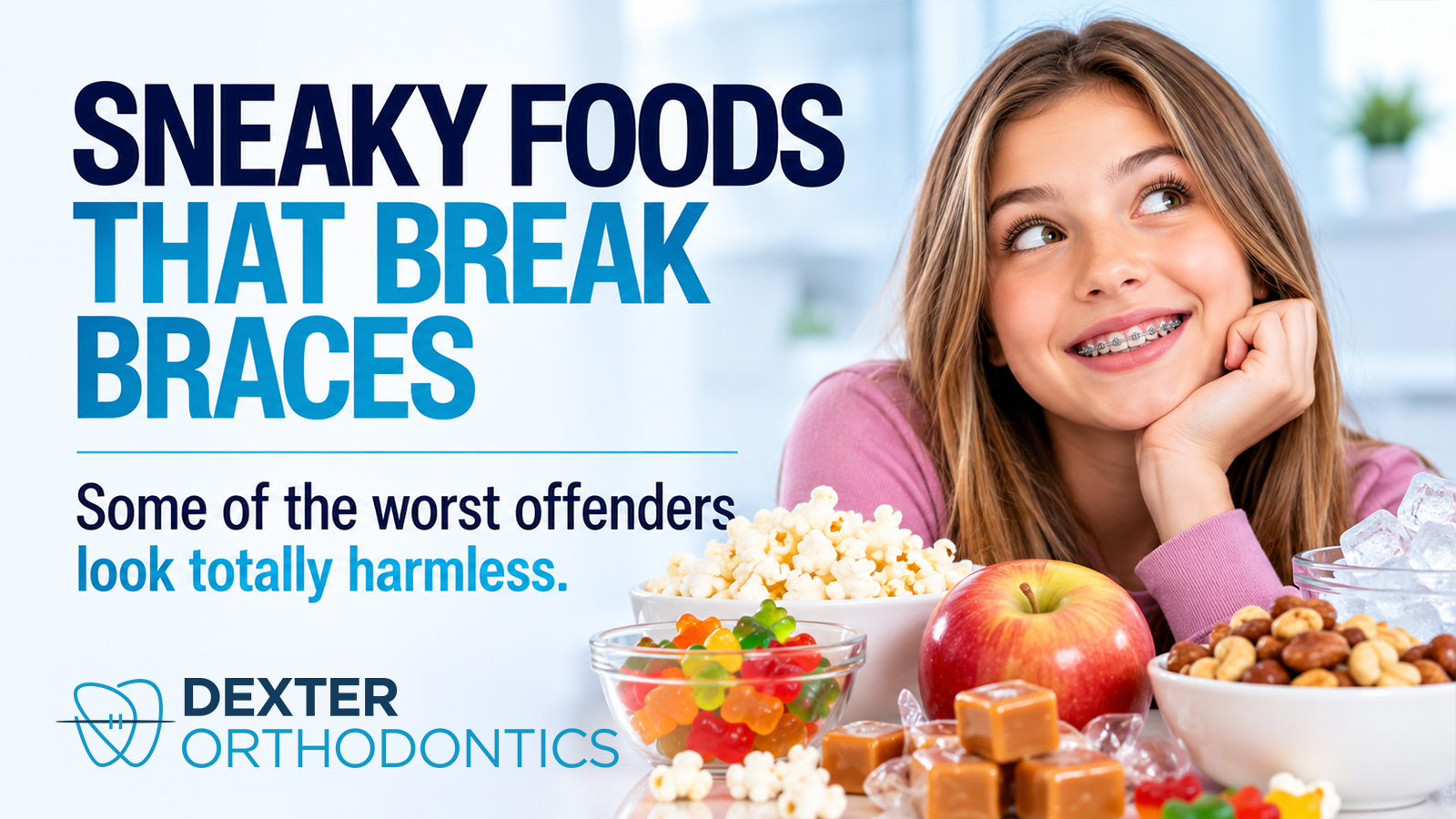
Most families leave the braces appointment knowing to skip caramel, hard candy, and chewing gum. Then, a few weeks later, a bracket pops loose after something that seemed completely innocent, like an apple at lunch, a granola bar after practice, or a few chicken wings on game night.
At Dexter Orthodontics, we hear "but all I ate was…" more than almost any other phrase at repair visits. The truth is that many broken brackets come from everyday foods that don't look dangerous at all. Here's which ones catch families off guard, why they cause trouble, and the simple swaps that keep treatment on track.
Braces can handle normal chewing, but they aren't built for three specific kinds of stress. Hard foods press down on a bracket with a sudden, concentrated force. Sticky foods grab the bracket and wire and pull as you open your mouth. And biting straight into something firm with your front teeth puts leverage on the brackets in the most visible part of your smile.
The American Association of Orthodontists' braces food guidance lists several items most people consider healthy, including raw crunchy fruits and vegetables, bagels, crusty pizza, and tough cuts of meat. The food itself usually isn't the problem. How you eat it is.
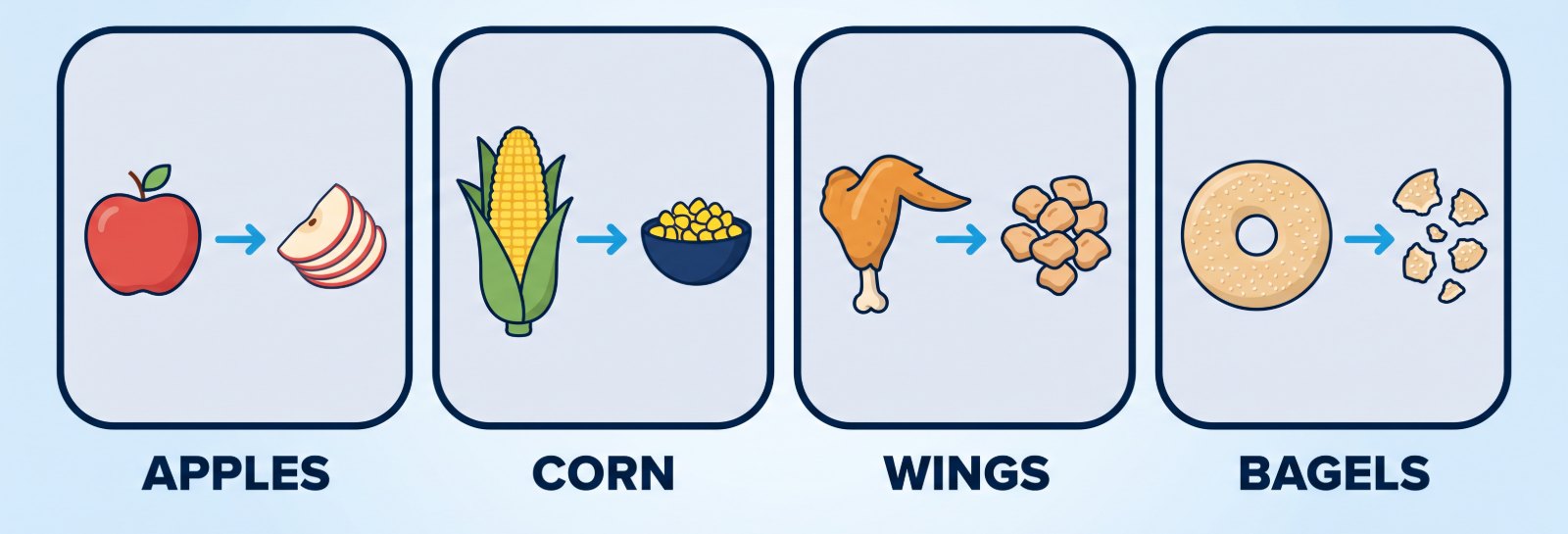
Some of the most common culprits are foods you normally eat by sinking your front teeth into them:
The good news is that almost all of these can stay on the menu. Slice apples into thin wedges, cut raw carrots into thin sticks or steam them, cut corn kernels off the cob, pull meat off the bone, and tear bread into small pieces. Then chew with your back teeth instead of your front teeth.
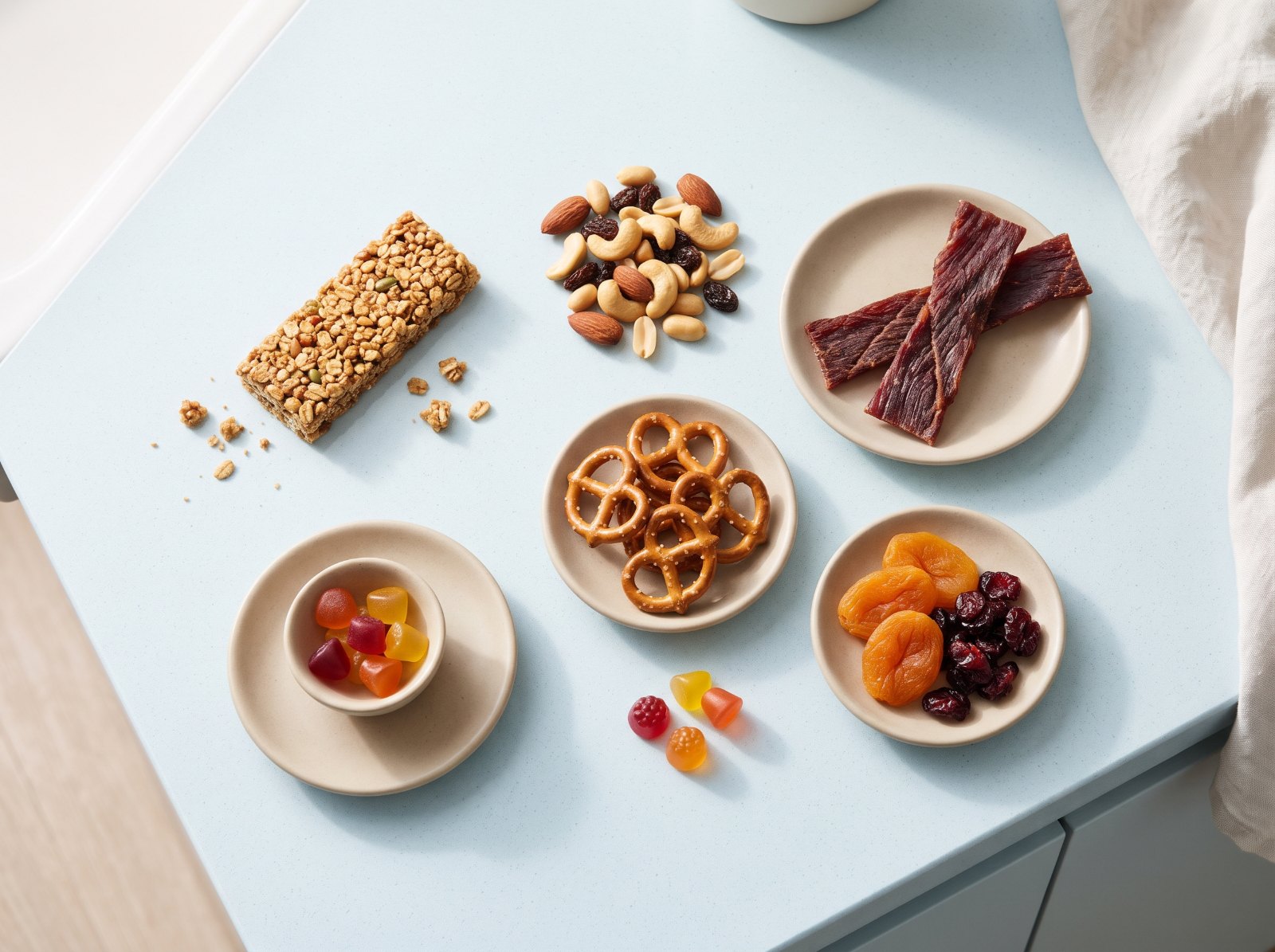
Lunchbox and sports-bag snacks are another surprise. Crunchy granola bars, trail mix, hard pretzels, hard taco shells, and thick kettle-cooked chips are all harder than they look. Beef jerky and other tough, chewy meats make you tug and grind, which strains wires. Dried fruit, fruit leather, and fruit snacks cling to brackets the same way caramel does.
Even gummy vitamins belong on this list. They're healthy and easy to forget about, but they're as sticky as any gummy candy. Ask your pharmacist or pediatrician about a chewable or swallowable version for the rest of treatment.
Not every broken bracket comes from a meal. Crunching the ice left in a cup, cracking sunflower seeds, chewing on pens or water bottle caps, and biting into frozen treats or hard chocolate coatings can all pop a bracket loose. Popcorn is its own trap: even fully popped kernels leave thin hulls that wedge between the braces and gums, where they're hard to clean out and can irritate the tissue.

Sports drinks, soda, sweet tea, and sour candies won't snap a bracket, but they cause a different kind of damage. Sugar and acid that linger around the brackets can weaken the enamel and leave chalky white marks once the braces come off. These marks are common. A review of white spot lesions in orthodontics found studies reporting them in roughly 30 to 70 percent of patients during treatment, with poor oral hygiene and longer treatment among the main risk factors. Choose water during practices and games, rinse after sugary drinks, and brush carefully around every bracket.
A loose bracket isn't an emergency, but it should be checked soon, because a bracket that isn't attached isn't moving that tooth. Leave it in place, cover any poking wire with orthodontic wax, and call our office so we can plan the repair. Repeated breakages can add appointments and stretch out treatment time, which is the best reason to make these small food swaps a habit.
For a complete list of braces-friendly foods, see our What Can I Eat With Braces? page, and for cleaning tips, visit How to Care for Your Braces. If your child hasn't started treatment yet, schedule a complimentary orthodontic evaluation and we'll walk you through what life with braces really looks like.
