The day the braces come off is a big one. After months or years of adjustments, the teeth are finally straight, and it's natural to feel like treatment is over. But there's one more step that decides whether that new smile lasts: the retainer.
At Dexter Orthodontics, we tell every patient that the retainer is what protects all the time and effort that went into treatment. Here's why teeth try to drift after braces, how retainers keep them in place, and how to make wearing one an easy habit.
Teeth aren't fixed rigidly in the jaw. Each one is held in place by tiny fibers that attach it to the surrounding bone and gums. When braces move a tooth, those fibers stretch and the bone around the root remodels. After treatment, the fibers need time to reorganize around the new position, and some of the gum fibers keep pulling toward the old position for a year or more.
There's also a longer-term reason. Teeth keep changing slowly throughout life, even in people who never had braces, which is why lower front teeth often become more crowded with age. The American Association of Orthodontists' retainer guidance notes that because the body changes over a lifetime, many patients wear their retainers at night for life.
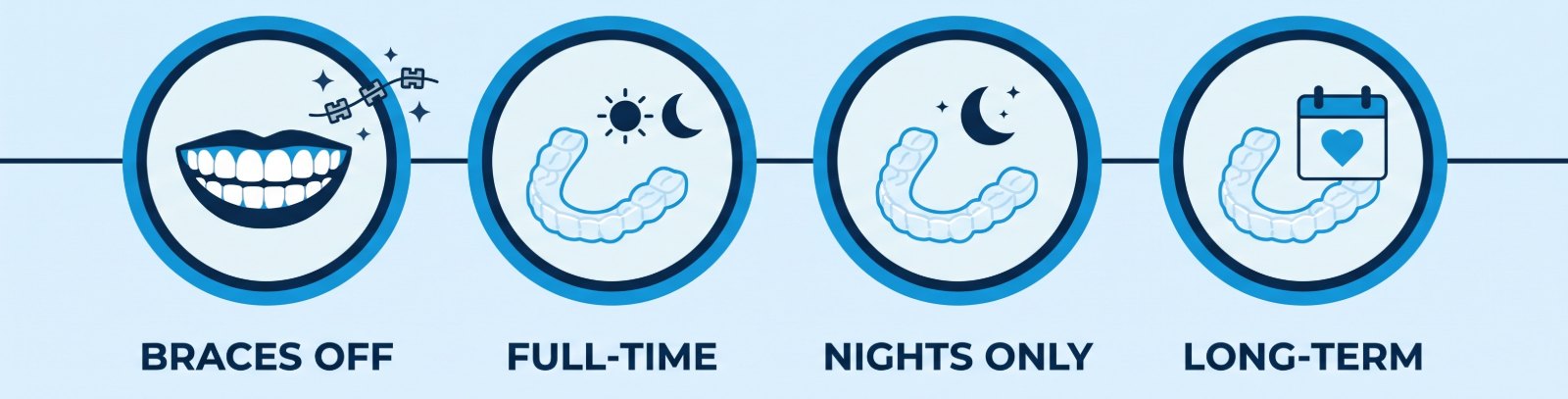
The highest risk of shifting comes right after the braces come off, which is why we move quickly. Using our 3D scanner and in-office printer, we make most patients' retainers the same day the braces are removed or the next day. In the beginning, removable retainers are worn full-time, except while eating and brushing. Once the teeth settle, wear usually drops to nighttime only.
Our retention phase lasts at least 24 months, and we keep checking the bite during that time. You can read more about our process on our Retainers After Braces page, or see how the scan and printer work together in our article Beyond the Scan.
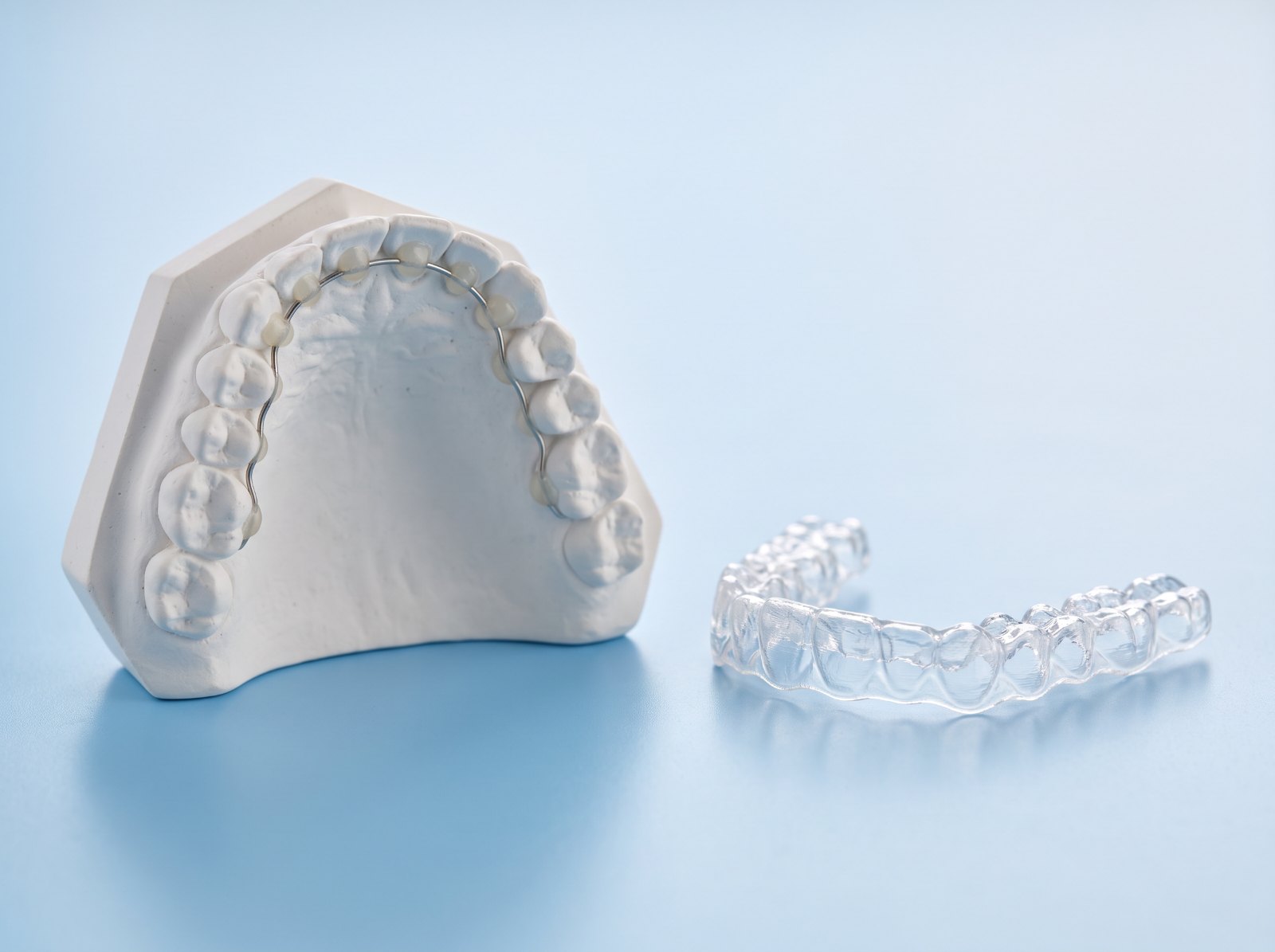
Most patients receive clear removable retainers, which look like thin, crystal-clear trays. Some patients also get a bonded retainer, a thin wire attached to the back of the six front teeth on the upper and lower arches, which are the teeth most likely to shift. We usually recommend a bonded retainer for at least a year, and it can stay in place for up to 10 years. Each has its own strengths:
Research supports both approaches. A 2023 Cochrane review of retention methods found that removable retainers worn as directed held teeth about as well as fixed ones, while each type had different trade-offs for gum health and how often the retainer failed. The best choice depends on your bite, your habits, and how your teeth moved during treatment.
Shifting usually starts slowly, and it's most noticeable in the lower front teeth. The first warning sign is often a retainer that suddenly feels tight. That tightness means the teeth have started to move, and wearing the retainer consistently again can sometimes guide them back. If a retainer no longer fits, don't force it. Call our office, because larger shifts may need a new retainer or a short round of treatment to correct.
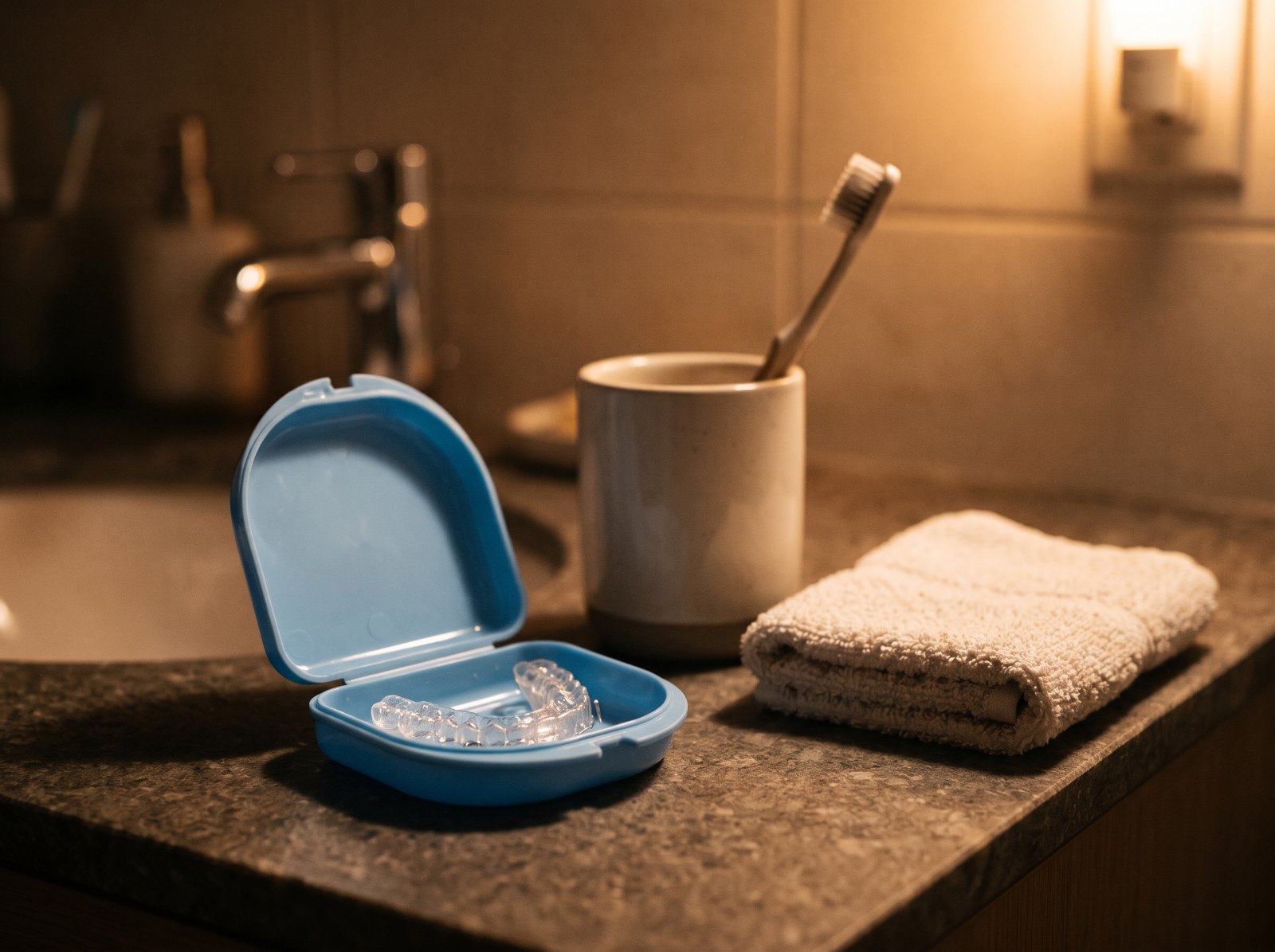
Retainers do wear out or get lost from time to time, especially for busy teens. Our Retainer Protection Program covers replacement retainers for five years for a one-time fee and a small co-pay per retainer, and it can be added to your treatment financing. You'll find the details on our retainers page. If your child hasn't started treatment yet and you're curious what the whole process looks like, from first visit to retainers, schedule a complimentary orthodontic evaluation.
